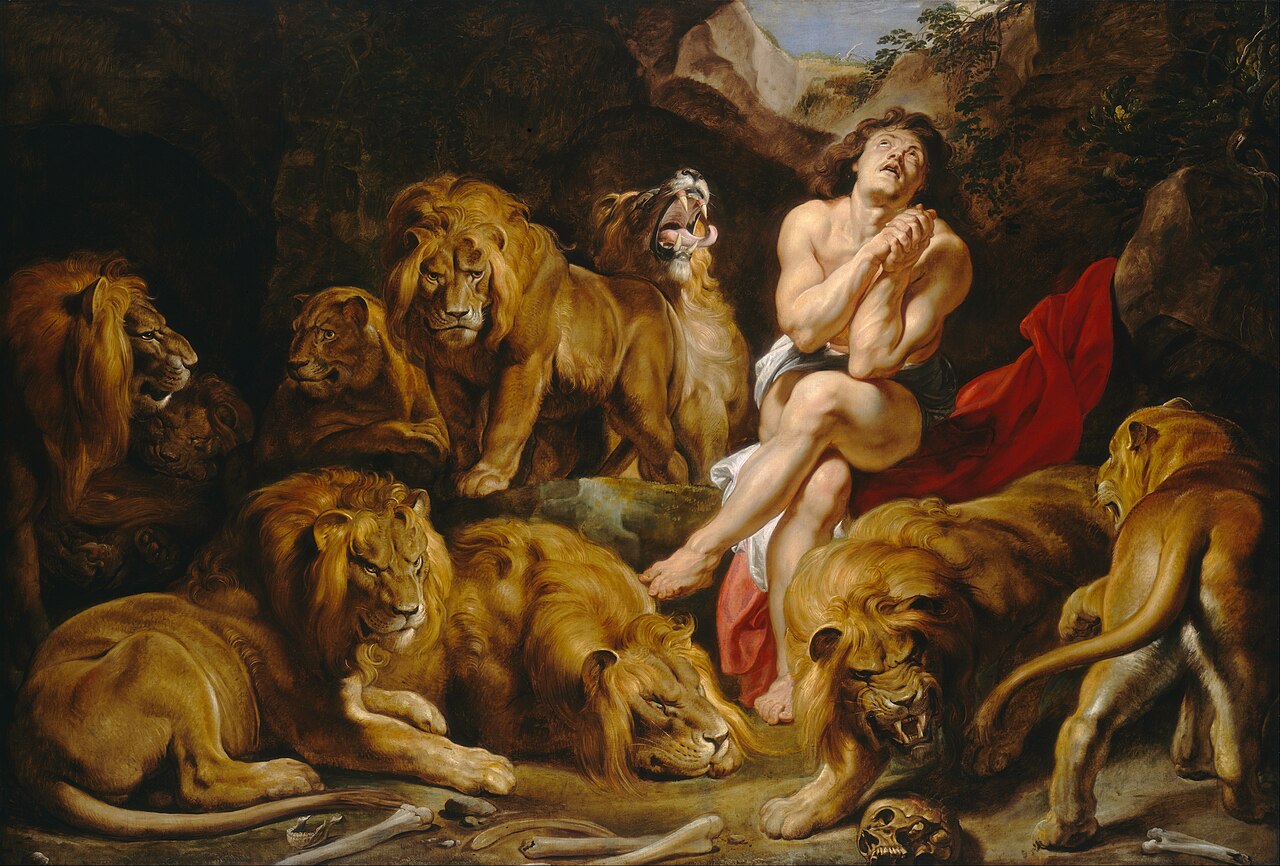
While online searches often lead to various individuals and inquiries, such as those related to "daniel booko net worth," this article embarks on a journey back in time, delving into the extraordinary life of a different Daniel—a revered prophet whose story of faith, resilience, and divine wisdom continues to resonate millennia later. This is the tale of Daniel, the young Hebrew exile who rose to prominence in the courts of ancient Babylon, navigating political intrigue and spiritual challenges with unwavering conviction. His life, chronicled in the biblical Book of Daniel, offers profound insights into how to thrive, not just survive, in turbulent times.
A Young Man in Exile: Daniel's Unlikely Beginning
The prophet Daniel served God during one of the most tumultuous periods in Israelite history. His story begins in 605 BC, a dark hour for the nation of Judah. For years, God had warned His people about the consequences of their persistent sin and lack of repentance. The divine hand of protection that once shielded them began to recede, allowing their enemies to prevail. King Jehoiakim of Judah and his citizens were "delivered" into the hands of King Nebuchadnezzar II of Babylon, marking the start of a devastating captivity.
Nebuchadnezzar’s conquest wasn't merely about plunder; it was a strategic move to absorb the best and brightest from conquered territories. Along with treasures from the temple of God, he ensured that certain exceptional individuals, particularly young men of noble lineage and keen intellect, were exiled to Babylon. His aim was to assimilate them, train them in Babylonian culture and administration, and harness their talents to further Babylon's power and prominence. Among these chosen few was Daniel, likely a teenager around 16 to 18 years old. Torn from his homeland, culture, and religious traditions, he was forced to embark on a journey of hundreds of miles to a strange, non-Jewish land.
Daniel, along with his companions Hananiah, Mishael, and Azariah (later given Babylonian names Belteshazzar, Shadrach, Meshach, and Abednego), exemplified the ideal candidates: "handsome, showing aptitude for every kind of learning, well informed, quick to understand, and qualified to serve in the king’s palace" (Daniel 1:4). They were selected for a rigorous three-year training program, intended to transform them into loyal Babylonian officials. Part of this prestigious program included receiving food and wine directly from the king's table—a privilege that promised nourishment but also posed a significant spiritual dilemma.
The Test of Conviction: Daniel's Stand for Faith
For Daniel, the royal provisions presented a serious conflict with his Jewish faith. The food would likely have been prepared in ways that violated Jewish dietary laws (kosher laws), and much of it would have been offered to Babylonian idols. To partake would be to compromise his covenant with God, defiling himself spiritually. This seemingly small detail became a monumental test of character and faith.
In a foreign land, under the thumb of a powerful emperor, a young Daniel made a courageous choice. Daniel's Faith: Surviving Exile and Thriving in Babylon hinges on moments like this. Daniel "resolved not to defile himself with the royal food and wine" (Daniel 1:8). Instead of outright defiance, Daniel approached the chief official, requesting permission to opt for a diet of vegetables and water. Remarkably, God had caused the official to show favor and compassion to Daniel. Yet, the official was understandably apprehensive, fearing the king's wrath if Daniel and his friends appeared weaker or less healthy than the other trainees. The consequence for the official could have been severe, even death.
Daniel, demonstrating both wisdom and respect, proposed a ten-day test. He suggested that he and his friends be given only vegetables and water for ten days, after which their appearance could be compared to that of the other young men eating the royal food. The guard, perhaps swayed by Daniel's earnestness and divine favor, agreed. The outcome was clear: "At the end of the ten days they looked healthier and better nourished than any of the young men who ate the royal food" (Daniel 1:15). This remarkable demonstration of divine blessing not only affirmed Daniel's faith but also secured their unique dietary regimen throughout their training. This early test of integrity laid the groundwork for Daniel's entire career in Babylon, showcasing his unwavering commitment to God even amidst immense pressure.
Practical Takeaways from Daniel's Choice:
- Integrity Over Comfort: Daniel prioritized his spiritual conviction over the obvious perks and comforts of royal patronage.
- Wisdom and Respect: He didn't confront aggressively but sought a respectful, mutually agreeable solution.
- Trust in Divine Providence: Daniel believed God would honor his faithfulness, and indeed, He did.
- Small Choices, Big Impact: An seemingly minor dietary decision had profound implications for his future and established his reputation.
Wisdom and Prophecy: Serving Kings and Unveiling Futures
Daniel’s faithfulness, coupled with God’s blessing, propelled him to extraordinary heights. The Book of Daniel, practically split into two sections, meticulously details his journey. The first half (chapters 1–6) narrates, in the third person, the experiences of Daniel and his friends during the reigns of Kings Nebuchadnezzar II, Belshazzar, Darius I, and Cyrus II. The second half, primarily written in the first person, details Daniel’s three visions and one dream, offering profound prophetic insights.
Like Jacob’s son Joseph centuries before him, Daniel possessed a unique divine gift: the ability to interpret dreams and visions. This talent, bestowed by God, became the bedrock of his rise to prominence in a foreign land. After their three-year training, Daniel and his companions proved to be "ten times better than all the magicians and enchanters in his whole kingdom" (Daniel 1:20). Daniel’s unparalleled wisdom shone brightest when he interpreted King Nebuchadnezzar’s unsettling dream of a great statue. Not only did Daniel interpret the dream, but he was also the only one who could even recall the dream after the king had forgotten it. This feat solidified his position as an invaluable advisor, elevating him to high office, ruling over the whole province of Babylon and becoming chief of the king's wise men.
Years later, during the reign of Belshazzar, Daniel was again called upon to interpret the mysterious "writing on the wall" (Mene, Mene, Tekel, Parsin), which prophesied the fall of the Babylonian empire. His accurate, though grim, interpretation once again highlighted his prophetic insight and divine connection. Even after the fall of Babylon to the Medes and Persians, Daniel continued to serve under Darius the Mede, demonstrating his unwavering integrity that famously led to his miraculous preservation in the lion's den. These events are not just ancient history; they provide a powerful testament to the enduring power of faith and the sovereignty of God, as explored further in The Book of Daniel: Faith, Visions, and Prophecy Explained.
Daniel's life, as noted in Ezekiel 14:14, 20, and 28:3, serves as a benchmark for righteousness and wisdom, placing him among legendary figures like Noah and Job. He didn't just survive in Babylon; he prospered, influencing multiple world empires while remaining true to his God.
Enduring Faith: Lessons from Daniel's Journey
The prophet Daniel’s journey is a beacon of hope and a practical guide for navigating challenging circumstances, whether personal or societal. His life demonstrates that faithfulness to God is not merely about surviving but about thriving with purpose, even in the most hostile environments.
Here are some enduring lessons from Daniel’s remarkable life:
- Unwavering Integrity: Daniel consistently chose integrity over compromise, even when it meant personal risk. This commitment built a foundation of trust and respect that served him throughout his life.
- Divine Favor Through Obedience: His faithfulness to God opened doors and granted him favor, even with powerful pagan rulers. God honored Daniel’s choices, providing protection and elevating his status.
- Wisdom Beyond Human Understanding: Daniel’s ability to interpret dreams and understand complex visions was a direct gift from God, demonstrating that true wisdom comes from above. Seeking this divine wisdom is crucial for navigating life’s complexities.
- Resilience in Adversity: From exile as a teenager to facing the lion's den as an old man, Daniel faced numerous life-threatening situations. His story teaches us resilience and the power of consistent faith in the face of adversity.
- Purpose in Dark Times: God places individuals like Daniel in difficult situations for a reason—to demonstrate His power and compassion, and to refine His chosen ones. Even when circumstances seem bleak, there is always a divine purpose at work.
Daniel’s journey is a powerful reminder that while we may not always understand why God chooses certain people for difficult paths, there is always a purpose. His life illustrates what happens when one remains consistently faithful to the Lord, through both good and bad. His story encourages us to stand firm in our convictions, trust in God’s plan, and seek His wisdom as we navigate our own unique journeys.
