Understanding the Book of Daniel: A Timeless Testament to Faith and Prophecy
In a world often searching for tangible metrics of success, like financial standing or public acclaim, terms such as "daniel booko net worth" might surface in popular discourse. However, for those delving into ancient scriptures, the name Daniel evokes a vastly different kind of value – one measured not in material assets, but in unwavering faith, divine wisdom, and profound spiritual impact. This article explores the rich narrative of the biblical prophet Daniel, a figure whose life and prophecies offer invaluable lessons for navigating challenging times and understanding God's sovereign plan.
The Book of Daniel stands as a powerful testament to God's faithfulness amidst human chaos. It recounts the experiences of a young Israelite exile who, despite being uprooted and thrust into the heart of a pagan empire, remained steadfast in his devotion to the Lord. His story is not merely a historical account; it's a blueprint for surviving and thriving when everything around you seems to be falling apart, demonstrating how consistent fidelity to God can transform even the darkest circumstances.
Daniel's Unwavering Faith in a Foreign Land
The prophet Daniel's journey begins during one of the most tumultuous periods in Israelite history. God had repeatedly warned the people of Judah about the consequences of their persistent sin and lack of repentance. As a result, in 605 BC, King Jehoiakim of Judah and his citizens were "delivered" into the hands of King Nebuchadnezzar II of Babylon. This was not just a military defeat; it was, in a profound sense, an act of divine judgment.
The Captivity and Early Trials
As part of his conquest, Nebuchadnezzar ensured that Babylon would not only gain plunder from the temple of God but also acquire valuable human resources. He sought out exceptional young men from the Israelite royal household – those who were "handsome, showing aptitude for every kind of learning, well informed, quick to understand, and qualified to serve in the king’s palace." Among these chosen individuals was young Daniel, likely around 16-18 years old. Forced to leave his home and travel hundreds of miles to a strange, non-Jewish land, Daniel faced an immediate challenge to his identity and faith.
This early phase of Daniel's life bears striking similarities to that of Joseph in the Old Testament. Both were exiled to foreign lands, both interpreted dreams for their rulers, and both rose to high office due to their faithfulness to God. Daniel and his companions—Hananiah, Mishael, and Azariah (later renamed Shadrach, Meshach, and Abednego)—were selected for special leadership training, which included education in Babylonian language and literature, and, crucially, food and wine from the king's own table.
The Choice Not to Defile
The royal food and wine, while seemingly a perk, presented a significant spiritual dilemma for Daniel. It likely violated Jewish dietary laws (kosher laws) and could have been offered to pagan idols, making its consumption an act of defilement. Rather than compromising his convictions, Daniel resolved not to defile himself. This pivotal moment is recorded in Daniel 1:8-16:
“But Daniel resolved not to defile himself with the royal food and wine, and he asked the chief official for permission not to defile himself this way.”
Daniel’s courage was met with divine favor. God caused the chief official to show him compassion, even though the official feared the king’s wrath if Daniel and his friends appeared less healthy than other trainees. Daniel proposed a ten-day test: feed them only vegetables and water. The results were astounding: after ten days, Daniel and his friends looked healthier and better nourished than all the young men who ate the royal food. This demonstrated God's power to sustain and bless those who honor Him.
Practical Tip: The Power of Conviction. Daniel's choice teaches us the immense power of personal integrity and taking a stand for one's beliefs, even in seemingly small matters. His initial refusal set a precedent for a life of uncompromising faith, demonstrating that small acts of obedience can lead to God's miraculous intervention and favor.
A Prophet's Rise: Interpreting Dreams and Navigating Power
Daniel’s faithfulness was not a secret, and God rewarded him and his friends with exceptional abilities. They received "knowledge and understanding of all kinds of literature and learning," and Daniel himself was granted "understanding of all kinds of visions and dreams." This divine wisdom proved instrumental in his rise to prominence in the Babylonian court.
Divine Wisdom and Royal Service
The first major test of Daniel's unique gift came when King Nebuchadnezzar had a disturbing dream that none of his wise men, astrologers, or sorcerers could interpret—or even describe. When facing execution along with all the king's other advisors, Daniel, through prayer, received the revelation from God. He not only described the king's dream of a great statue made of different materials but also provided its profound interpretation, outlining the succession of world empires that would follow Babylon (Daniel 2).
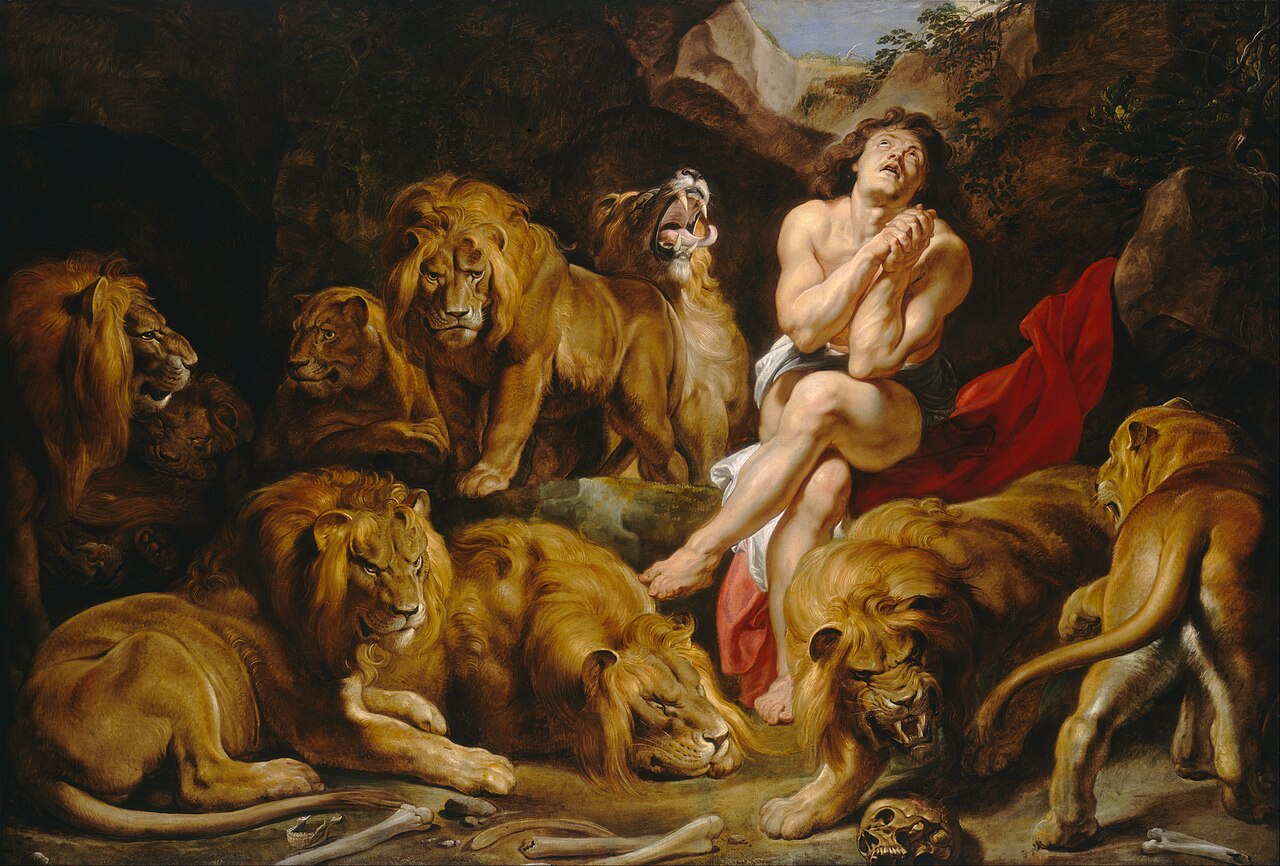
This astonishing display of divine insight led to Daniel's elevation to a high office, making him ruler over the entire province of Babylon and chief administrator over all the king's wise men. His friends, Shadrach, Meshach, and Abednego, were also appointed to high positions. Later, Daniel’s unwavering faith, and that of his companions, would be dramatically tested through the fiery furnace (Daniel 3) and the lion's den (Daniel 6), instances where God miraculously preserved them from death, further solidifying their testimony and God's glory.
For more on Daniel's specific journey and challenges, you might find valuable insights in Who Was Daniel? The Prophet's Journey in Ancient Babylon.
Lessons in Integrity and Influence
Throughout his long life, Daniel served under multiple pagan kings—Nebuchadnezzar, Belshazzar, Darius I, and Cyrus II. Despite the changing political landscapes and the inherent pressures to conform to foreign customs and gods, Daniel maintained his spiritual identity and integrity. His consistency in prayer (three times a day, facing Jerusalem, despite a decree forbidding it) and his commitment to God's laws were unwavering.
Actionable Advice: Maintaining Faith in Secular Environments. Daniel's story offers a powerful model for believers in contemporary society. It teaches us how to exert positive influence in secular or even hostile environments without compromising our core values. His success was not due to political maneuvering, but to his consistent faithfulness, divine wisdom, and the favor of God, making him an indispensable advisor to powerful rulers.
Explore more about his resilience and steadfastness in Daniel's Faith: Surviving Exile and Thriving in Babylon.
Unveiling the Future: Visions and Prophecies of Daniel
The Book of Daniel is practically split into two distinct sections. The first half (chapters 1–6) narrates, primarily in the third person, the historical experiences of Daniel and his friends in the Babylonian and Persian courts. The second half (chapters 7–12), however, shifts focus, detailing Daniel’s three visions and one dream, predominantly written in the first person.
Structure of the Book
While the initial chapters showcase Daniel's moral courage and God's protection in historical events, the latter chapters unveil Daniel's role as a major prophet, providing a sweeping overview of future history from his time to the end of days. These prophecies are remarkable for their specificity and their profound theological implications.
Major Prophecies
Daniel's visions provide a panoramic view of world history and eschatology:
- The Four Beasts (Daniel 7): This vision describes four terrifying beasts emerging from the sea, representing a succession of four great empires. Interpreted by many as Babylon, Medo-Persia, Greece, and Rome, culminating in a future kingdom ruled by the "Son of Man."
- The Ram and the Goat (Daniel 8): This vision more specifically foretells the rise and fall of the Medo-Persian and Grecian empires, identifying key figures like Alexander the Great and the "little horn," often understood to represent Antiochus IV Epiphanes, a persecutor of the Jews, and possibly a foreshadowing of a future antichrist figure.
- The Seventy Weeks (Daniel 9): Perhaps one of the most significant and complex prophecies in the Bible, this chapter outlines a precise timeline concerning the restoration of Jerusalem, the coming of the Messiah, His atoning death, and future events leading up to the end times. It provides a chronological framework that has profoundly influenced Christian understanding of biblical prophecy.
- The Final Vision (Daniel 10-12): This extended vision, received by Daniel near the end of his life, delves into intricate details about the kings of Persia and Greece, spiritual warfare, and a comprehensive overview of events leading to the "time of the end," including the resurrection of the dead.
Insight: God's Sovereignty in History. Daniel's prophecies underscore God's absolute sovereignty over nations, rulers, and the unfolding of history. They reveal that despite the apparent chaos and shifting powers of human empires, God has a master plan that is meticulously brought to pass. This provides immense comfort and assurance that ultimate control rests not with earthly authorities but with the Almighty.
Enduring Legacy and Practical Takeaways
The Book of Daniel offers far more than ancient history and complex prophecies; it provides an enduring legacy of faith and practical wisdom for believers today.
What Daniel's Story Teaches Us Today
- Faithfulness in Adversity: Daniel's life is a vivid illustration of how to remain faithful and thrive, not just survive, in exile or challenging circumstances. His example encourages us to trust God even when we are far from our comfort zones.
- Personal Integrity: His resolute decision not to defile himself, even in the face of royal decree or potential death, speaks volumes about the importance of holding firm to one's convictions.
- Divine Wisdom: God granted Daniel extraordinary wisdom and understanding because he sought God first. This reminds us that true wisdom comes from above and is available to all who seek it sincerely.
- God's Sovereignty: The intricate details of Daniel's prophecies reveal that God is actively involved in history, orchestrating events according to His divine purpose. This instills hope and confidence that God is ultimately in control, even amidst global turmoil.
- Courage to Stand Alone: Daniel and his friends demonstrated immense courage in standing for their faith, whether refusing royal food, declining to worship an idol, or continuing to pray openly. Their stories challenge us to be bold in our convictions.
In a world grappling with uncertainty and rapid change, Daniel's journey serves as a powerful reminder that true wealth and significance are found not in material possessions or transient worldly power, but in a steadfast relationship with God. His life underscores the enduring truth that with faith, integrity, and divine guidance, ordinary individuals can achieve extraordinary impact, leaving a legacy far more valuable than any earthly fortune.
